How to Remodel Your Kitchen on a Budget
The kitchen is the heartbeat of your home. It’s where morning coffee rituals happen, where family recipes are perfected, and where guests naturally congregate during parties. But if your current kitchen feels more cramped than cozy, or if your cabinets are stuck in the 1990s, you’re likely dreaming of a renovation.
For many Los Angeles homeowners, the biggest hurdle isn’t lack of inspiration; it’s the budget. The fear of spiraling costs can stall a project before it even begins. As a family-owned general contractor serving Tarzana, Pacific Palisades, and the greater Los Angeles area for over 25 years, Pacific Coast Developers has guided countless clients through this exact challenge.
We believe a stunning kitchen shouldn’t bankrupt you. With strategic planning, smart material choices, and a clear understanding of local costs, you can achieve a high-end look without the high-end price tag. Here is your comprehensive guide to remodeling your kitchen on a budget in 2026.
1. Master the “Needs vs. Wants” Strategy
The most dangerous phrase in a renovation is “while we’re at it.” To keep your budget intact, you must ruthlessly prioritize before the first hammer swings.
Start by creating two distinct lists:
- Must-Haves: These are non-negotiables. Examples might include replacing a leaking sink, upgrading a dangerous electrical panel, or fixing a layout that physically prevents two people from cooking together.
- Nice-to-Haves: These are dream items. A pot filler faucet, a wine fridge, or a second dishwasher fall into this category.
Pro Tip: Allocate your budget to the “Must-Haves” first. If you come in under budget on those, you can “unlock” items from your “Nice-to-Haves” list. This disciplined approach ensures you don’t spend money on a luxury backsplash while ignoring functional necessity.
2. Understand Real Los Angeles Remodeling Costs (2026)
One of the biggest mistakes homeowners make is basing their budget on national television shows rather than local reality. Construction costs in Los Angeles are unique due to labor rates and specific building codes.
According to 2025-2026 industry data, a minor-to-mid-range kitchen remodel in the Los Angeles area typically ranges from $25,000 to $75,000. While this might sound steep, the return on investment (ROI) is significant. Recent “Cost vs. Value” reports suggest that a minor kitchen remodel in our region can recoup over 110% of its cost in resale value.
Budget Allocation Breakdown:
- Labor: 30-35%
- Cabinets: 30%
- Appliances: 15%
- Countertops: 10%
- Flooring & Lighting: 10%
- Permits & Contingency: 5%
3. The Truth About Permits in Los Angeles
Many “budget” guides will quietly suggest skipping permits to save money. Do not do this.
In Los Angeles, unpermitted work is a liability that can cost you thousands in fines or kill a future home sale. The good news is that for straightforward remodels (like replacing cabinets and fixtures without moving walls), the Los Angeles Department of Building and Safety (LADBS) often allows for simpler “express” permits.
As of 2025, basic administrative permit fees for a kitchen remodel can start around $500 – $1,000, depending on your project’s valuation. This is a small price to pay for peace of mind and legal compliance. At Pacific Coast Developers, we handle the permitting process for you, ensuring your project is up to code without you needing to navigate the bureaucracy of City Hall.
4. Smart Material Swaps that Save Thousands
You don’t need marble imported from Italy to have a beautiful countertop. Modern manufacturing has closed the gap between “budget” and “luxury” materials.
Refacing vs. Replacing Cabinets
New custom cabinetry is often the single most expensive line item. If your existing cabinet boxes are structurally sound, consider refacing them. This involves replacing just the doors and drawer fronts while applying a matching veneer to the boxes. This can save you up to 50% compared to a full tear-out and replacement.
Quartz vs. Marble
Marble is timeless but porous, prone to staining, and expensive. Engineered quartz offers a similar aesthetic, often mimicking the exact veining of Carrara or Calacatta marble, but is non-porous, highly durable, and significantly more affordable.
Luxury Vinyl Plank (LVP) Flooring
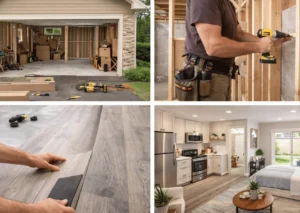
Forget the peeling vinyl of the past. Modern LVP flooring is waterproof, scratch-resistant, and can convincingly mimic hardwood or stone. It’s softer underfoot than tile and much cheaper to install.
5. Leverage Energy Rebates and Tax Credits
One of the smartest ways to “expand” your budget is to let the government pay for part of it. As we move through 2026, several programs are available for Los Angeles homeowners focusing on energy efficiency.
- Federal Tax Credits: Under the Inflation Reduction Act, you may be eligible for tax credits covering 30% of the cost (up to $2,000 per year) for qualified energy-efficient upgrades like heat pump water heaters or upgraded electrical panels.
- SoCalGas Rebates: The SoCalGas Marketplace often offers rebates for high-efficiency appliances. Checking their current list before buying a new dishwasher or oven can net you instant cash back.
By choosing Energy Star-rated appliances, you not only save on the upfront purchase via rebates but also lower your monthly utility bills for years to come.
6. Keep the Layout (If Possible)
Moving plumbing and gas lines is where costs skyrocket. Relocating a sink to an island or moving a gas range to the opposite wall requires opening up the floor/slab and walls, involving plumbers, electricians, and drywall repair.
If your current layout is functional, keep it. This allows you to spend your budget on high-impact finishes like lighting, hardware, and countertops rather than invisible pipes inside the wall.
7. Safety First: A Non-Negotiable
Renovating safely is a critical part of budgeting because accidents are expensive. Whether you are living in the home during the remodel or staying elsewhere, ensuring the site is safe is paramount.
For homes built before 1978, lead paint is a real concern. The EPA’s Renovation, Repair and Painting (RRP) Rule mandates specific practices to prevent lead contamination. As a responsible contractor, we prioritize containment strategies to keep your family safe from dust and debris.
Additionally, ensure your contractor carries liability insurance and workers’ compensation. If an uninsured worker gets hurt in your kitchen, you could be liable for their medical bills, shattering your budget instantly.
8. Don’t Forget the Lighting
Lighting is the “jewelry” of the kitchen and is often the most cost-effective upgrade. A single central ceiling fixture can leave your beautiful new countertops in shadow.
Layer your lighting plan:
- Ambient: Recessed cans for general brightness.
- Task: Under-cabinet LED strips to illuminate prep areas (a very low-cost, high-impact addition).
- Accent: Pendants over the island or sink to add style and personality.
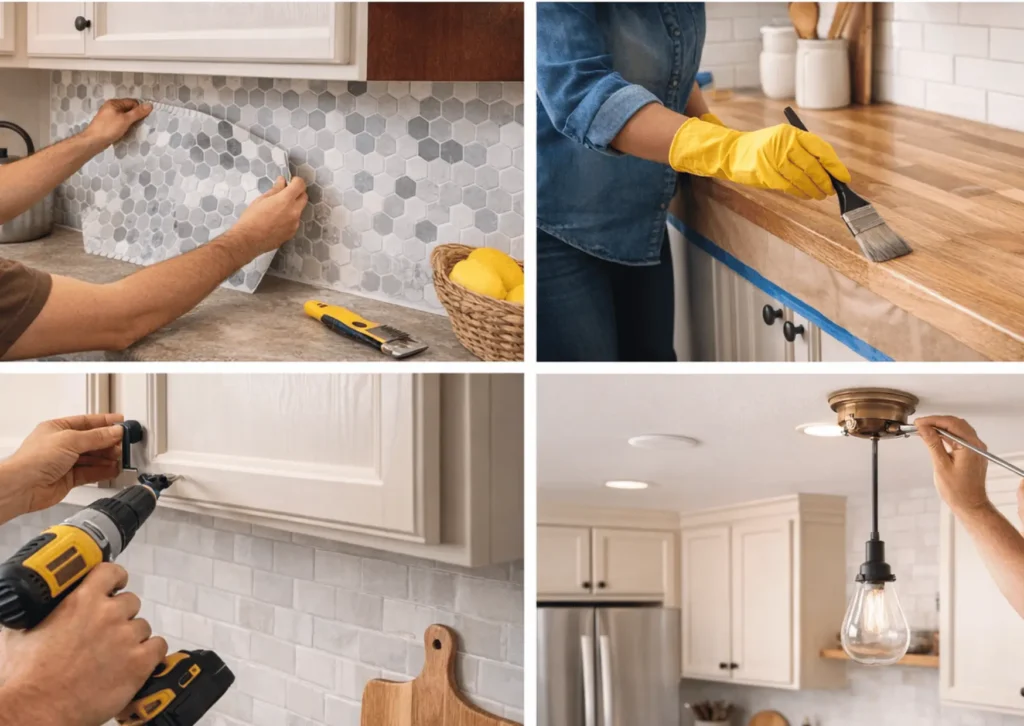
9. DIY Where It Makes Sense
While we don’t recommend DIY-ing electrical or plumbing work, there are areas where your sweat equity can save money.
- Demolition: Ask your contractor if you can handle the tear-out of old cabinets (just be careful not to damage walls).
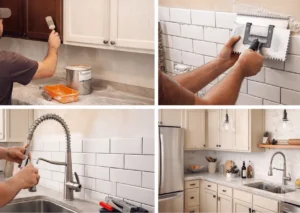
- Painting: Painting the walls yourself is a weekend project that can save hundreds in labor.
- Hardware: Sourcing your own knobs and pulls online and installing them is a simple task that requires only a screwdriver.
Why Choose Pacific Coast Developers?
Remodeling a kitchen is a journey, and having the right guide makes all the difference. We are more than just builders; we are your neighbors. From Tarzana to Beverly Hills, we understand the specific tastes, codes, and expectations of Los Angeles homeowners.
We pride ourselves on transparency. Our estimates are detailed, our timelines are realistic, and our communication is constant. We help you navigate the budget without sacrificing the quality your home deserves.
Ready to Build Your Dream Kitchen?
Don’t let budget fears keep you in a cramped kitchen another year. Let’s sit down and look at the numbers together.
Contact us Today for a Free Estimate. Imagine. Design. Execute.