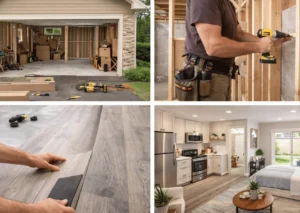
Los Angeles homeowners are currently sitting on one of the most valuable real estate assets imaginable, and it is likely gathering dust or storing old holiday decorations. We are talking about your garage. In the last few years, the concept of the Accessory Dwelling Unit (ADU) has transformed from a niche trend into a primary strategy for increasing property value and generating passive income.
At Pacific Coast Developers, we have watched the landscape of California housing shift dramatically. With the state continually easing regulations to encourage housing density, converting an underutilized garage into a fully functional living space is no longer just a smart idea, it is one of the most financially savvy moves a homeowner can make. Whether you need a space for aging parents, a private office, or a rental unit to offset your mortgage, a garage conversion offers a streamlined path to expanding your home’s footprint without buying new land.
This guide will walk you through the essential steps of transforming a cold concrete box into a warm, functional, and legal home.
Understanding the “Why” Behind Garage Conversions
Before ripping out the garage door, it is crucial to understand why this specific type of ADU is so popular in Southern California. Unlike building a brand-new detached structure from the ground up, a garage conversion utilizes an existing shell. This generally translates to lower construction costs and a faster timeline.
The financial incentives are compelling. In the current 2026 real estate market, a well-executed ADU can increase property value by significantly more than the cost of construction. Furthermore, with Los Angeles rents remaining high, the potential monthly income from a 400-square-foot studio can effectively pay for the construction loan while adding profit to your monthly budget.
Navigating California ADU Laws and Regulations
The regulatory environment in California has become increasingly friendly toward ADUs. State laws have overridden many local restrictions that previously made these projects difficult. However, this does not mean there are no rules. It simply means the rules are clearer and more standardized.
The California Department of Housing and Community Development (HCD) provides extensive guidelines on what is permissible. In general, single-family homeowners have the right to convert existing accessory structures into ADUs. Key allowances usually include reduced setback requirements and, in many cases, exemptions from creating replacement parking for the main house if the property is located near public transit.
Understanding these laws is vital because they determine the feasibility of your project. For example, knowing that you do not need to squeeze a new parking spot onto your driveway can be the deciding factor in whether a conversion is physically possible on your lot.
Assessing Structural Feasibility
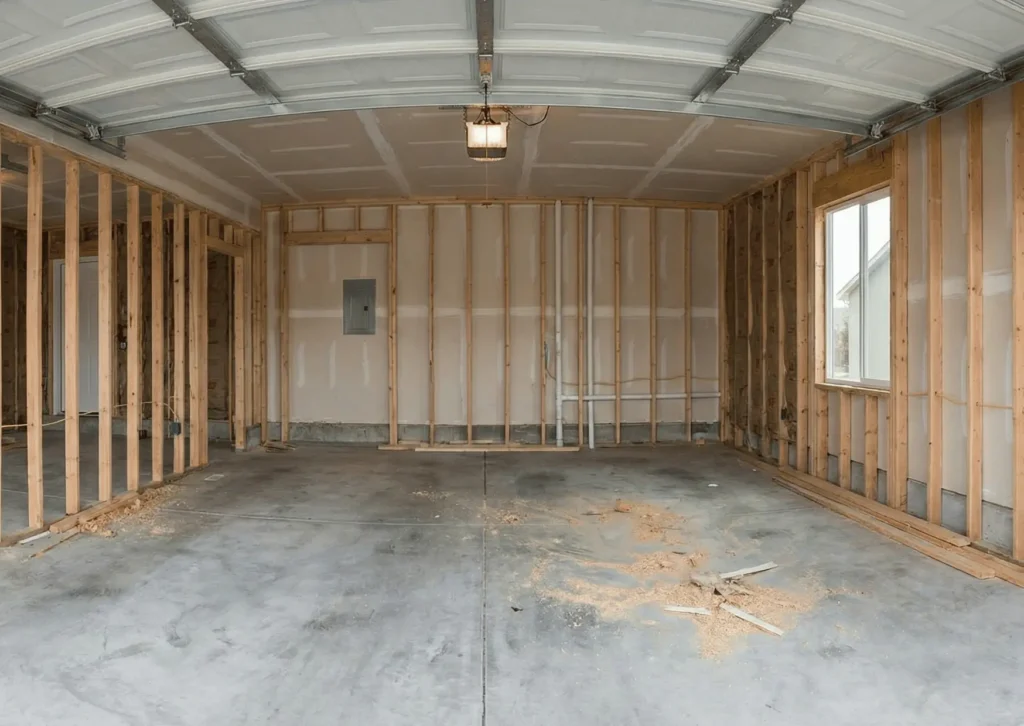
A garage is designed to house cars, not people. Converting it requires more than just throwing up drywall and laying down carpet. To ensure the space is safe, habitable, and legal, you must address several structural components.
The Foundation: Most garage slabs are not built to the same standards as residential foundations. They often lack a moisture barrier, which means moisture can seep up through the concrete. During a conversion, we often need to treat the existing slab or pour a new topping slab with a vapor barrier to prevent dampness and mold issues inside the finished unit.
Framing and Insulation: Garages typically have thin walls with little to no insulation. To meet Title 24 Energy Efficiency Standards, the walls usually need to be furred out (thickened) to accommodate high-density insulation. The roof structure may also need reinforcement to support drywall ceilings and heavy insulation, ensuring the unit stays cool in the LA summer and warm in the winter.
Designing for Functionality in Small Spaces
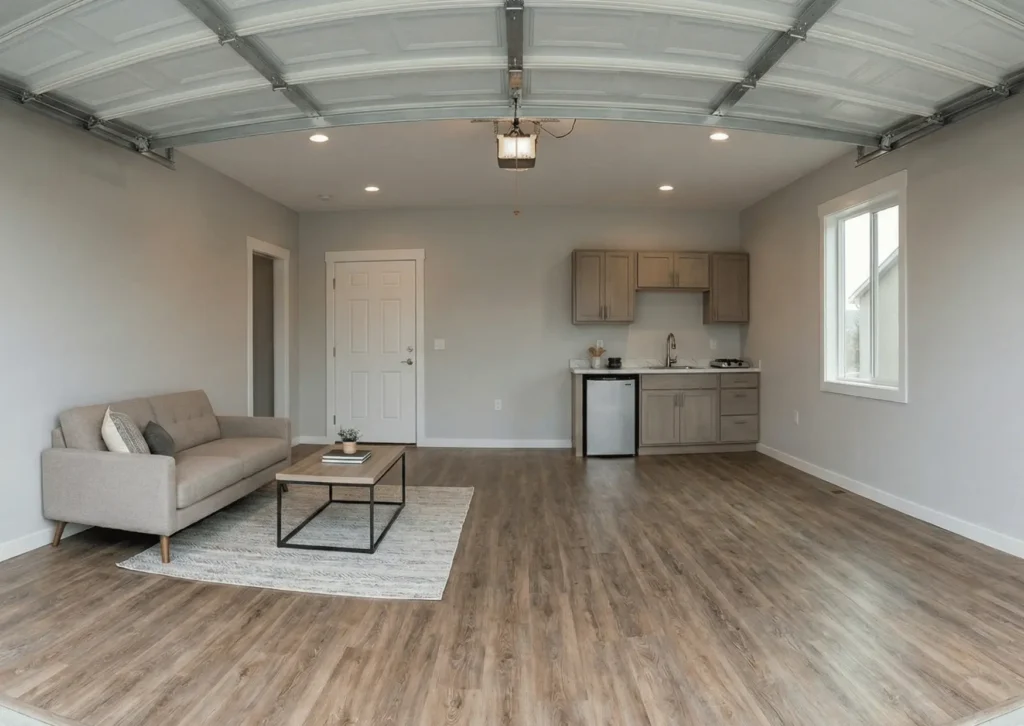
The biggest challenge in a garage conversion is layout. A standard two-car garage is roughly 400 square feet. To make this feel like a luxury apartment rather than a cramped box, every inch must have a purpose.
Open Concept Living: Walls waste space. We recommend keeping the main living, sleeping, and kitchen areas open. Use furniture or vertical slats to create visual separation without blocking light.
Kitchen Efficiency: You do not need a massive chef’s kitchen in an ADU. A linear “single-wall” kitchen or an L-shaped layout works best. Utilize height by installing cabinets that go all the way to the ceiling for maximum storage.
Bathroom Placement: Placing the bathroom near existing plumbing lines (if any exist nearby) can save on trenching costs. However, functionality should never be sacrificed for a slight savings in plumbing. A bathroom tucked into a corner allows for a larger, more cohesive living area.
The Critical Role of Utilities
Bringing utilities to a detached garage is often the most technical part of the project. You are essentially building a mini-house that requires its own sewer, water, gas, and electrical connections.
Electrical: Most older garages have a simple 20-amp circuit for a lightbulb and a door opener. A habitable unit needs a robust sub-panel to handle a kitchen, heating, cooling, and general appliances. This might require upgrading the main electrical panel of your primary house to handle the increased load.
Sewer and Water: Plumbing requires trenching from the main house or the street. This must be done carefully to maintain the correct slope for drainage. Pacific Coast Developers specializes in assessing your property’s topography to find the most efficient route for these lines.
The Permitting Process
There is a misconception that because it is “just a garage,” you do not need permits. This is false. Unpermitted conversions are a liability. They cannot be included in the square footage during a home sale, and they can lead to costly fines from the city.
In Los Angeles, you will need to submit architectural plans to the Los Angeles Department of Building and Safety (LADBS). These plans must cover everything from structural changes and energy calculations to fire safety requirements. While this sounds daunting, working with an experienced contractor means this burden is taken off your shoulders. We handle the drafting, submission, and corrections process to ensure your project moves forward legally and smoothly.
Budgeting and ROI
Cost is always a primary concern. In 2026, the cost of a garage conversion in the Los Angeles area varies based on finishes and structural conditions. While it is generally cheaper than new construction, you should budget for the “unseen” costs like foundation upgrades, utility trenching, and city fees.
However, it is important to view this number through the lens of Return on Investment (ROI).
- Property Value: An ADU adds legally recognized livable square footage to your home appraisal.
- Rental Income: Compare the monthly loan payment for the construction against the market rent for a studio in your neighborhood. In most LA zip codes, the rent significantly outpaces the loan cost, generating positive cash flow immediately.
Why Choose Pacific Coast Developers?
Converting a garage is a complex construction project squeezed into a small box. It requires precision, knowledge of local codes, and a team that respects your property. Pacific Coast Developers has spent over 25 years building in the Los Angeles area. We are family-owned, which means we treat every client like a neighbor, not a number.
We understand the specific challenges of local architecture, from Tarzana to Pacific Palisades. We pride ourselves on transparency, keeping you informed about timelines and costs so there are no surprises. Our goal is to deliver a turnkey ADU that looks like it has always been part of your property, seamlessly blending style with function.
Ready to Unlock Your Home’s Potential?
If you are looking at your garage and seeing wasted potential, it is time to start the conversation. A functional ADU can change your financial future and provide much-needed housing flexibility for your family. Pacific Coast Developers is here to guide you from the initial design sketch to the final coat of paint. Contact us today for a free consultation and let us help you build the future of your home.